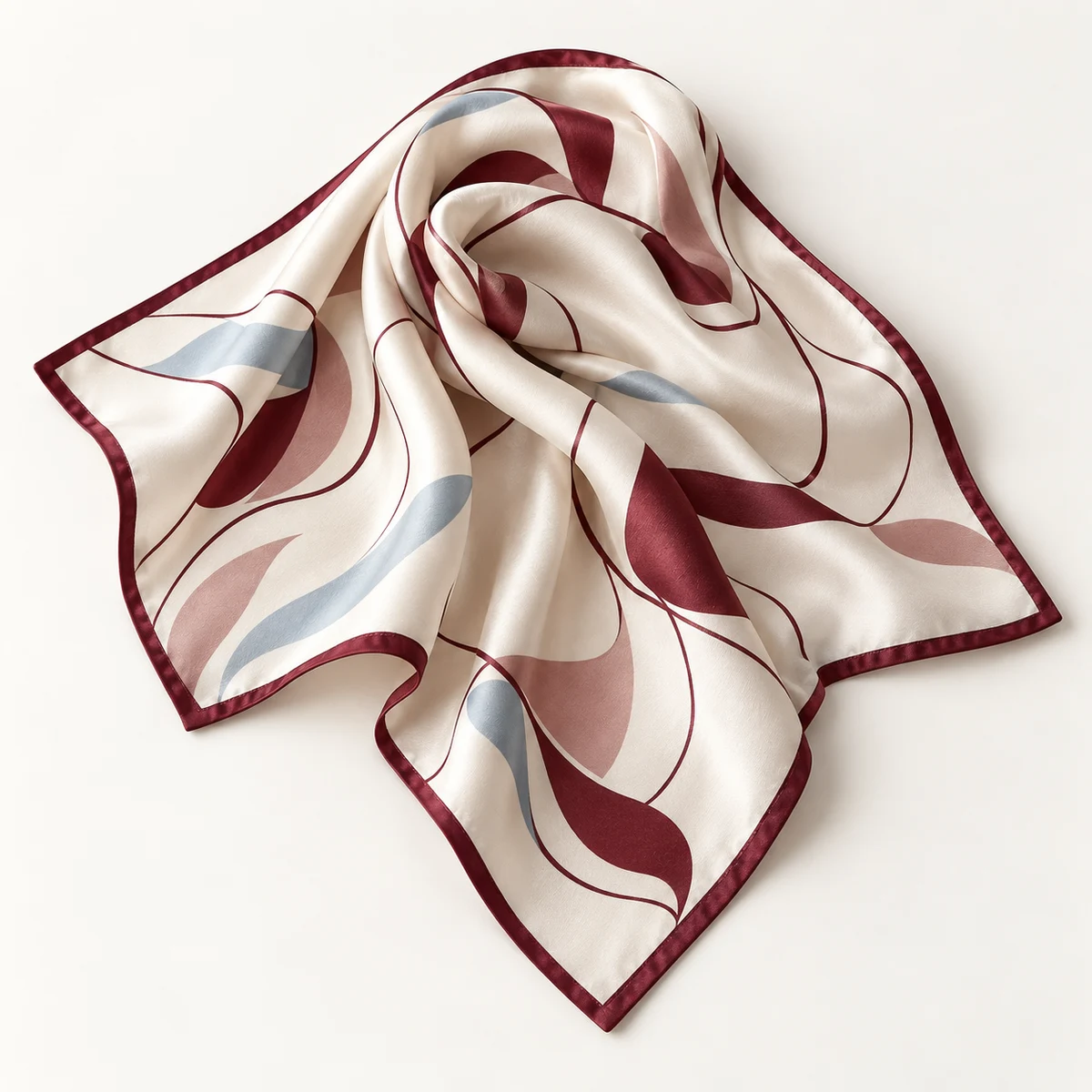
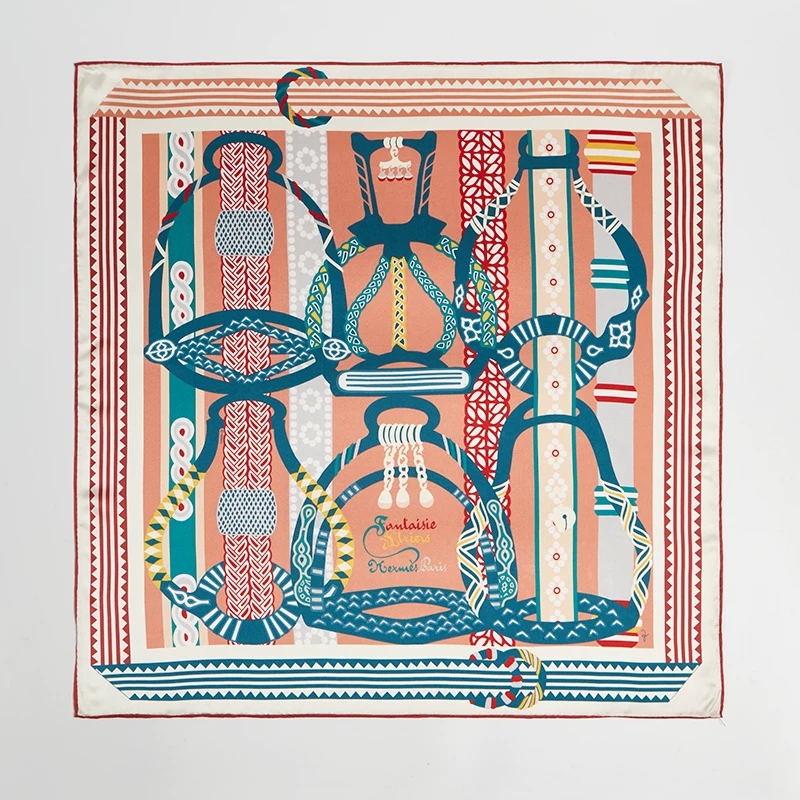
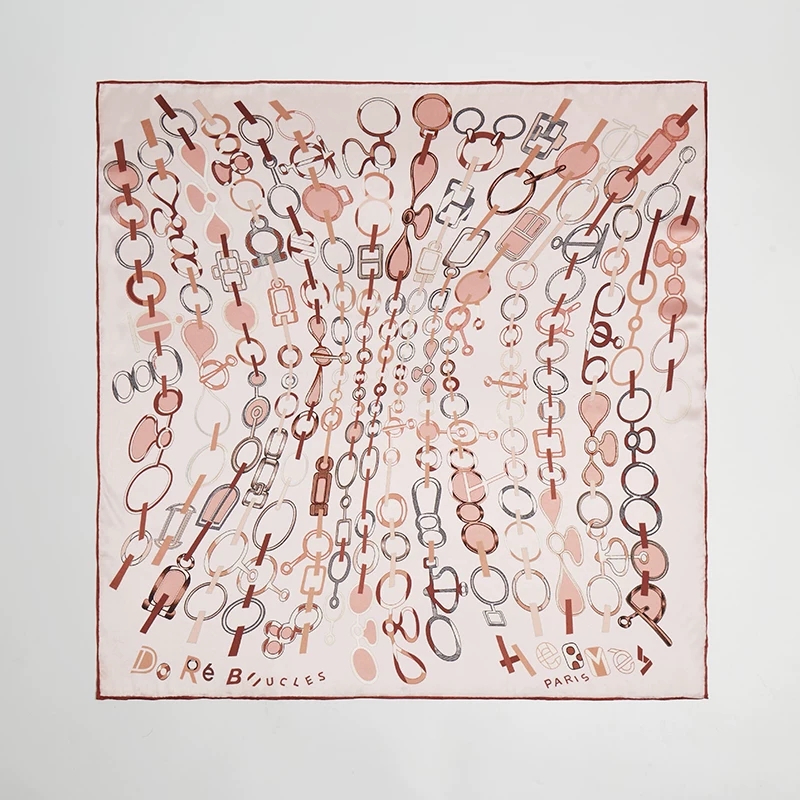
Keep each decision visible so the first sample answers the right questions and the final brief is easy to price.
01
Brief
Share the artwork, target market, format, quantity and presentation idea.
02
Sample review
Review print scale, colour, drape and edge finish in the physical sample.
03
Lock details
Confirm finished dimensions, hem, label placement and folded pack format.
04
Prepare the run
Move forward with the approved direction from a 30-piece starting MOQ.
Start with the format your market understands.
Use a familiar size as the first reference, then adjust the finished dimensions, artwork scale and packaging around your collection.
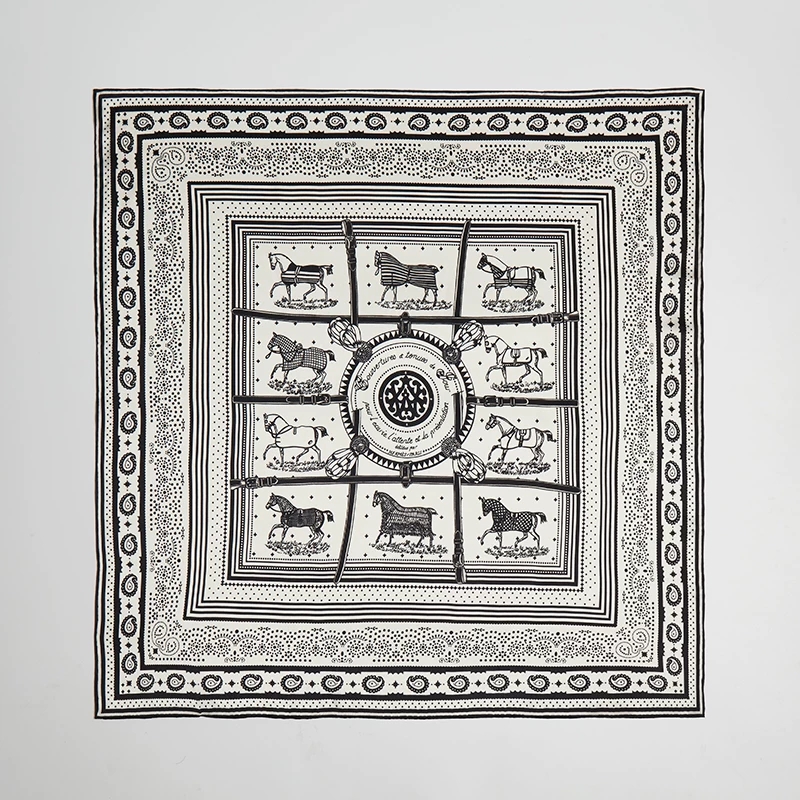
01
Square scarf
50 × 50 · 70 × 70 · 90 × 90 cm
Neckwear, hair styling, gifting and retail collections.02
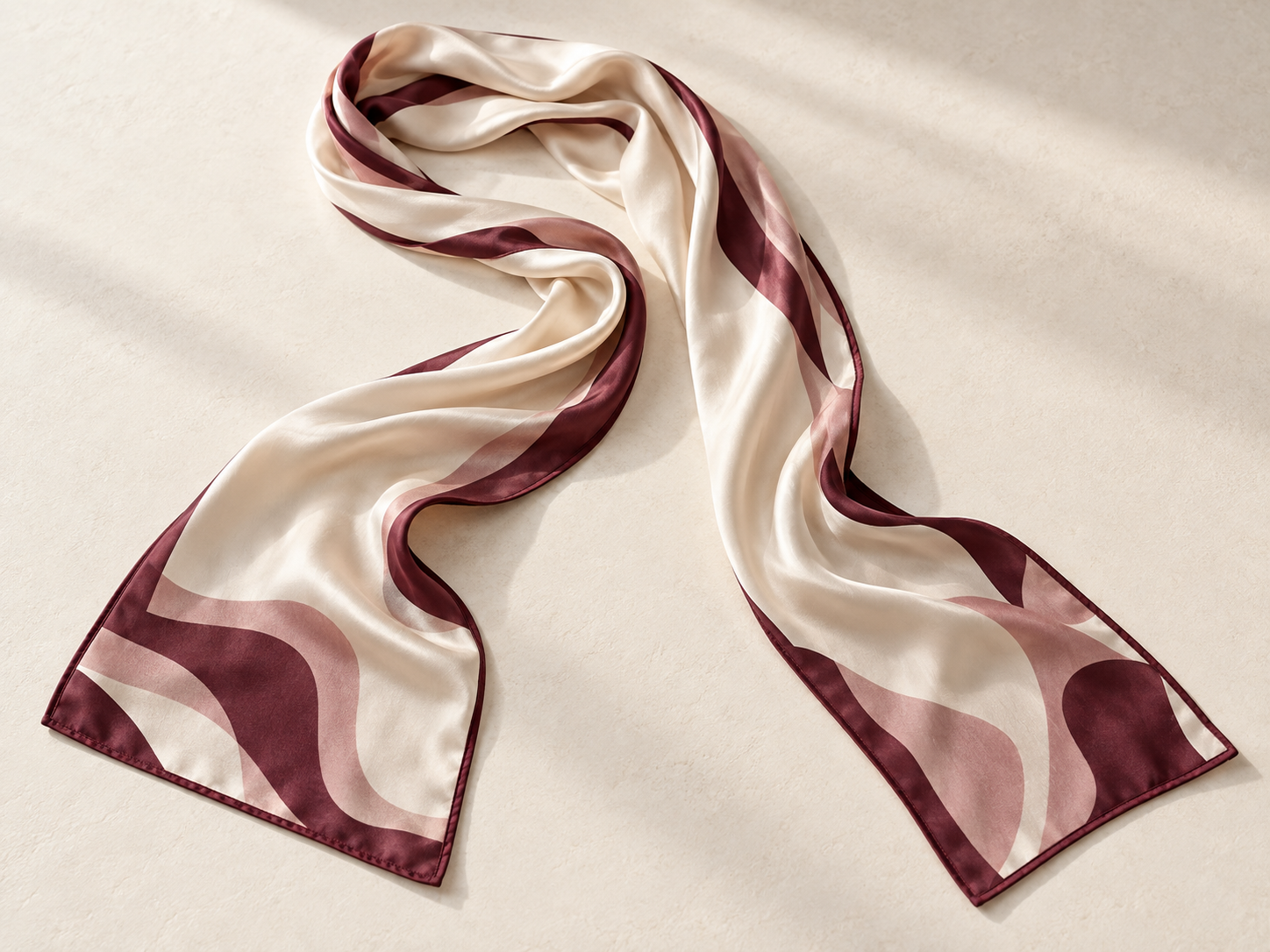
Long scarf
170 × 55 · 180 × 65 cm
Neckwear, draped styling and statement accessories.03
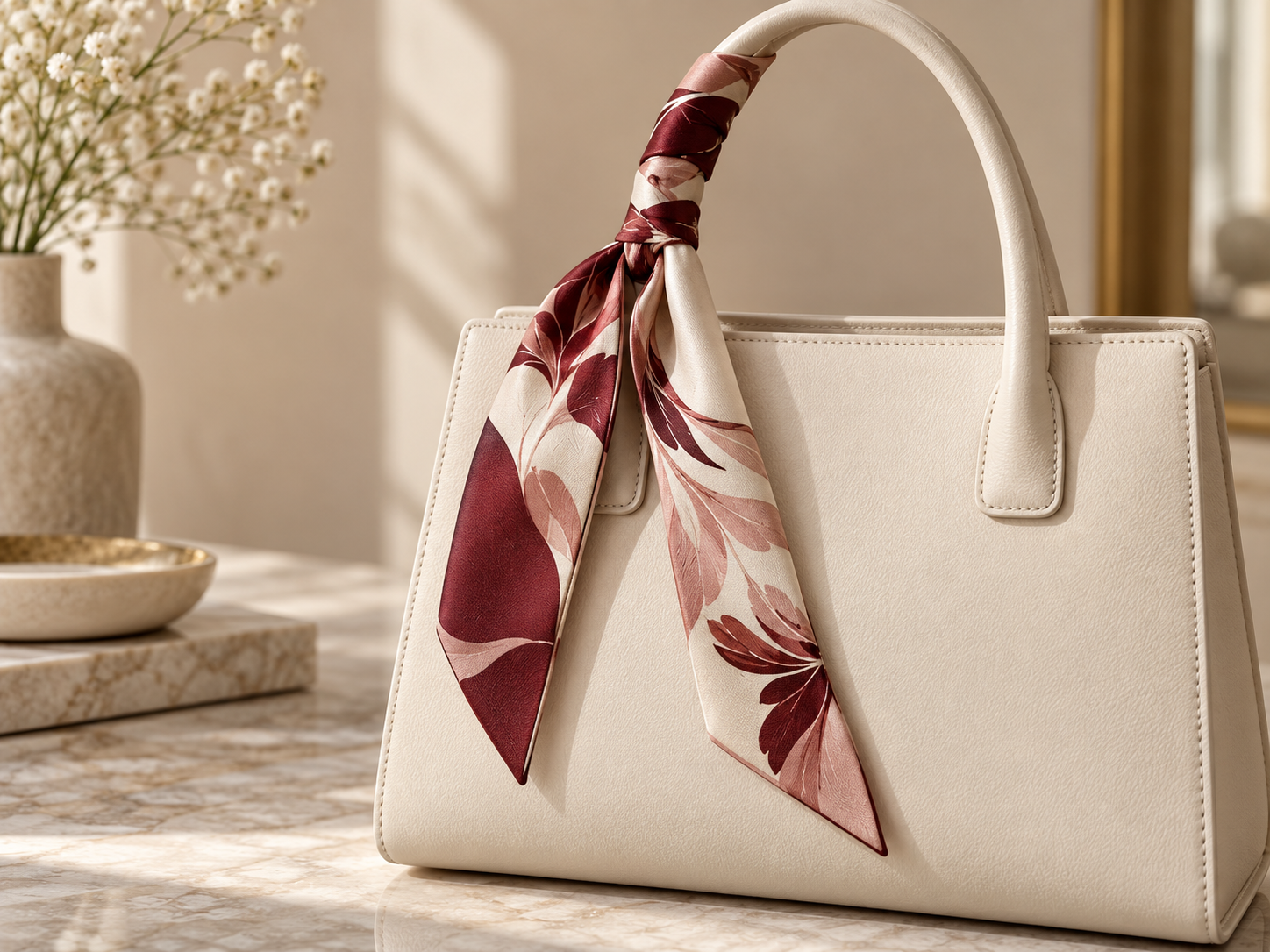
Twilly
5 × 90 · 7 × 120 cm
Bag handles, hair styling and slim gift formats.04
Bandana
55 × 55 · 60 × 60 cm
Neck, head and coordinated accessory programs.05
Shawl & wrap
130 × 130 · 200 × 70 cm
Large-format styling and premium gift collections.06
Custom shape
Finished dimensions matched to your brief
Share the use case, artwork and target market to start.
The print. The drape. The edge.
These three choices shape the finished scarf. Keep them separate in the brief so the sample can answer each question.
Artwork & color management
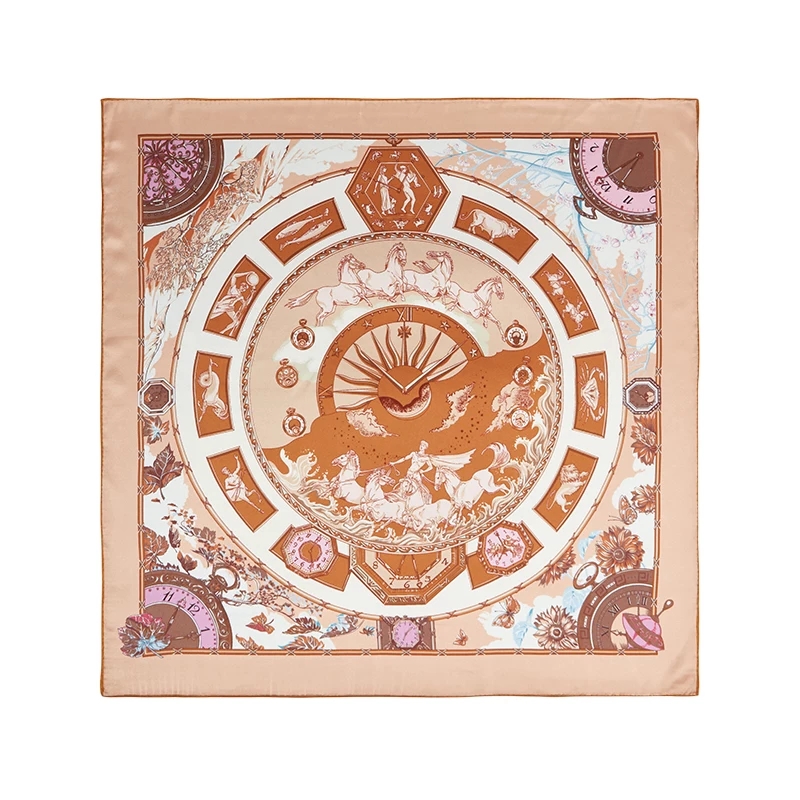
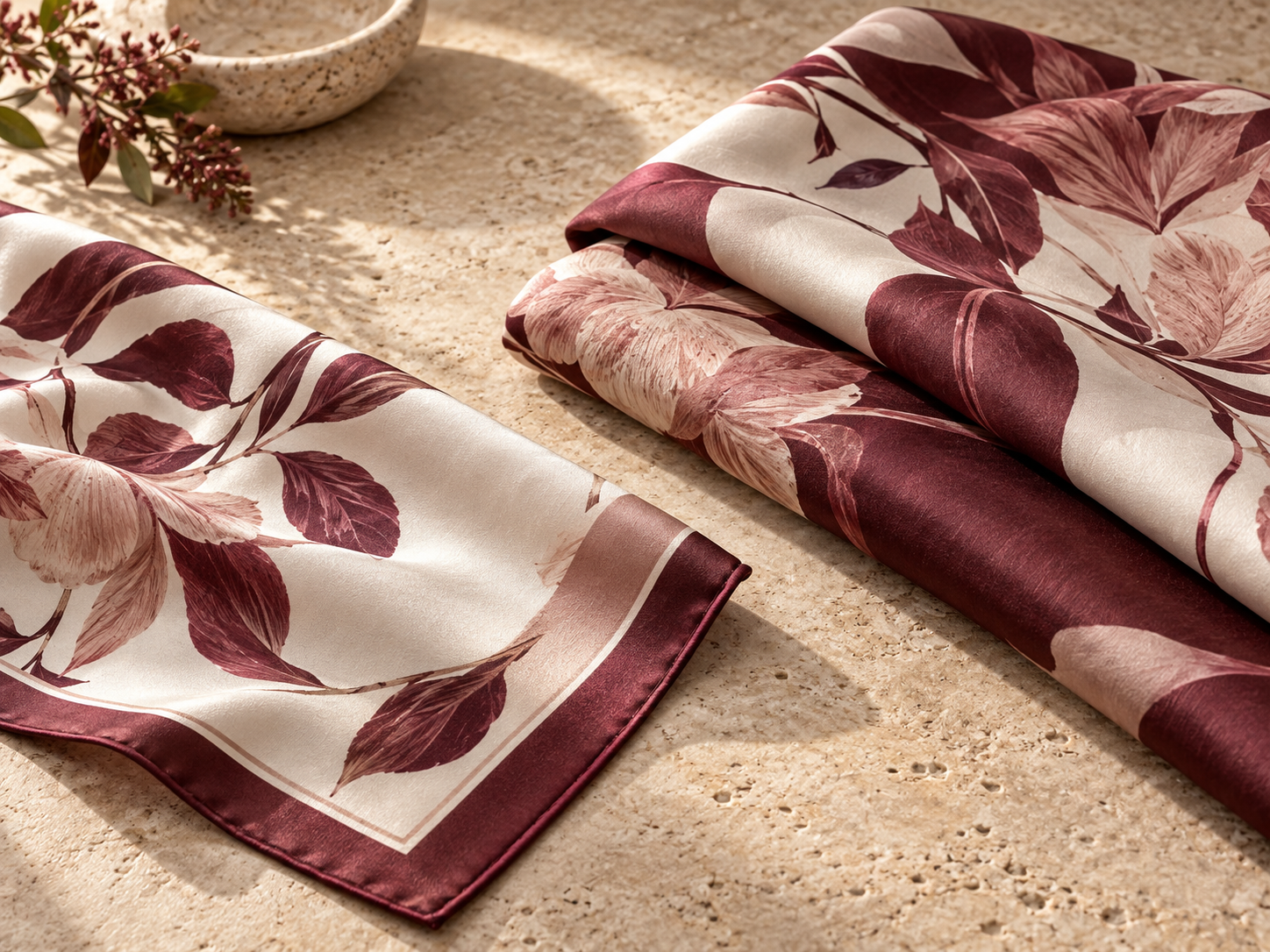
Supply original or licensed artwork, intended repeat size and color references. Screens are a starting point; approve a physical printed sample before treating colors as final.
Fabric, opacity & reverse side
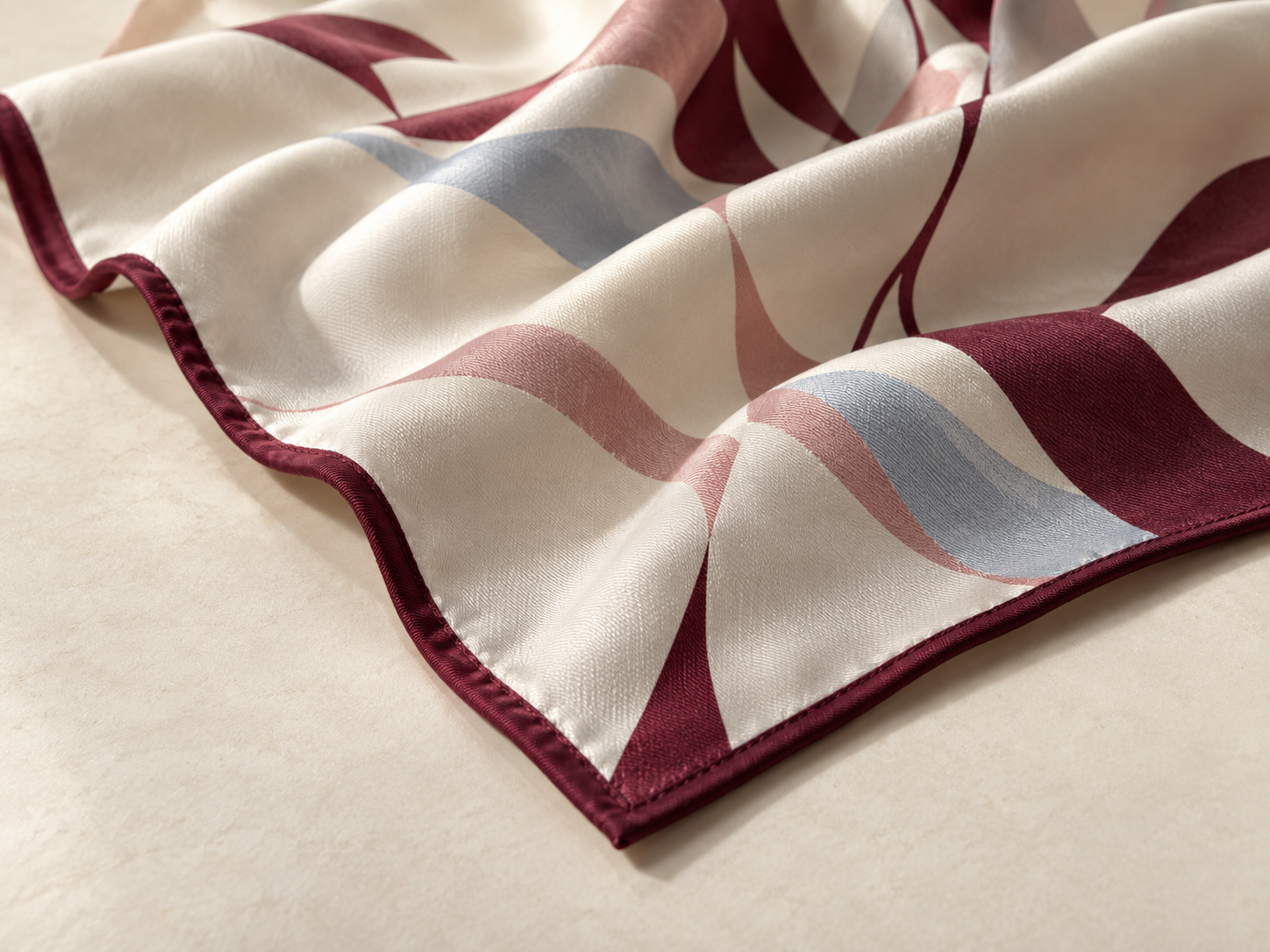
Confirm composition, weight, weave, drape and opacity. State whether the reverse should match, remain lighter or be designed separately.
Hem, rolled edge or hand finish
Review the chosen edge method, finished width, corner treatment and thread color. The edge is part of the product identity, not a hidden afterthought.
Finished size & folding
Enter the finished width and length with units and tolerances. Check the folded size before selecting a pouch, band or box.
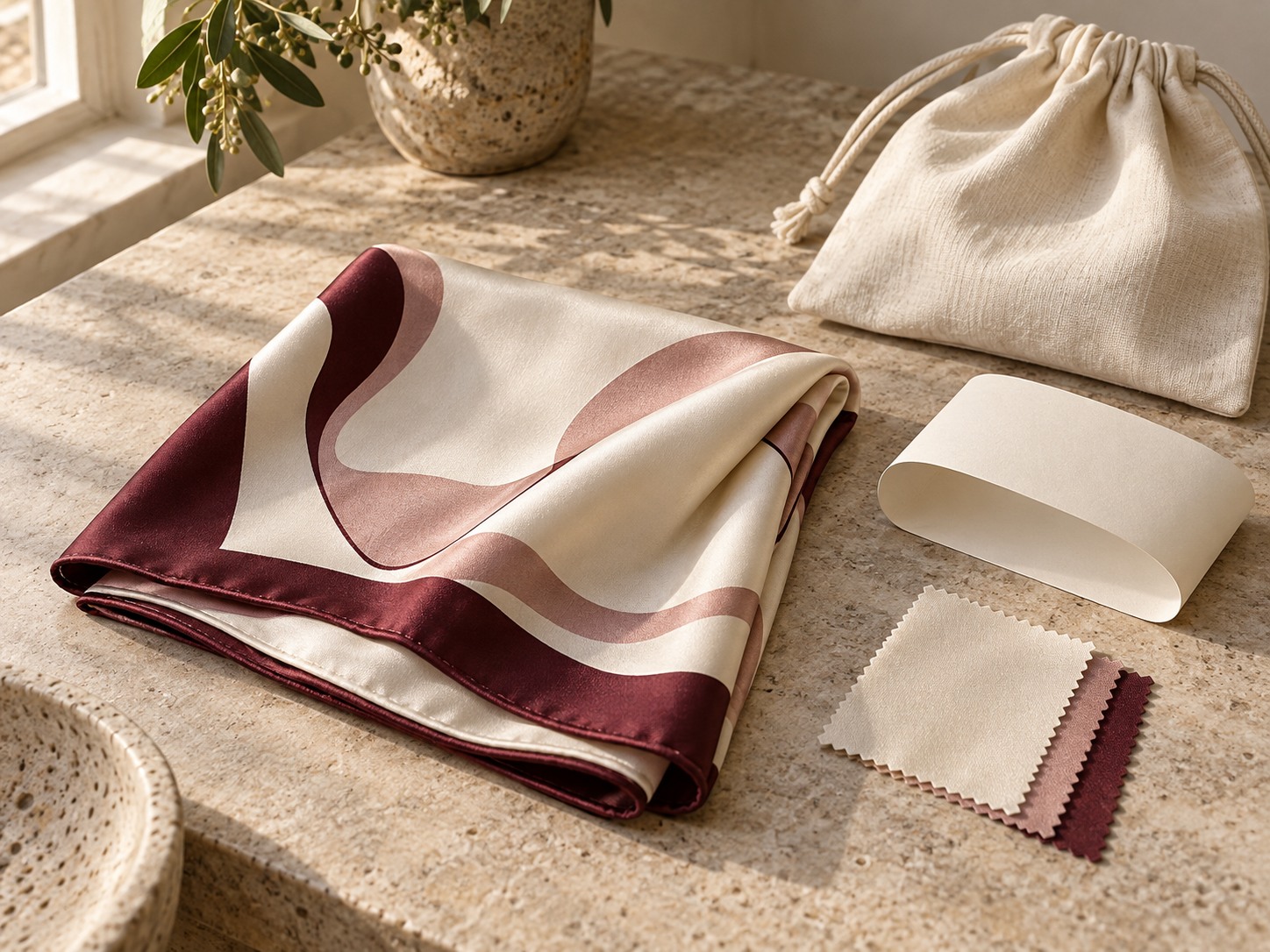
Presentation direction · folded format, print and packing aligned.
Make the artwork feel complete.
A scarf becomes easier to buy when the artwork, edge and presentation are considered as one set.
Logo, care label & presentation card
Share artwork, label wording and placement. Review how a label or card sits with the fold and whether any care information needs to travel with the product.
Pouch, band or gift box
Choose the folded presentation after approving the sample. Confirm dimensions, protection, print and insert card together.
Coordinate with sleep and hair products
Use the same palette across a scarf, bonnet, scrunchie or gift set while specifying every product separately.
Use this checklist to organize a quote and sample discussion. Values stay open until artwork and fabric are approved.
Fabric19 momme mulberry silk direction; weave, weight and drape to confirmDimensionsFinished width, length and toleranceArtworkFile, repeat, border and color referenceEdgeHem method, width, corners and threadCareCare method agreed with the final fabricVerificationPhysical print, edge and folded pack reviewPrintingDigital or screen print, artwork and colour directionProject start30-piece MOQ · 48-hour sample review · OEKO-TEX available
Bring your scarf into focus.
Save one or more directions, then add the artwork and dimensions you know.
No directions selected yet.
Your selections stay with this brief while you shape the next step.
Before your first sample.
Can we use our own artwork?
Yes, include original or licensed artwork and the intended repeat or border. File suitability and the print method need review before sampling.
Will the screen color match?
Not automatically. Fabric, ink, process and lighting affect appearance, so approve a physical printed sample.
When are size and packaging confirmed?
After artwork, fabric, finished dimensions and edge are reviewed. Measure the folded sample before agreeing packaging.